Gout Triggers
Identify and understand what triggers gout attacks
27 results

High-purine foods
Foods rich in purines can significantly increase uric acid levels in the body, potentially triggering gout attacks. Purines are naturally occurring substances found in many foods, which break down into uric acid during digestion. High-purine foods include organ meats, game meats, some seafoods (like sardines and mussels), and certain vegetables (such as spinach and asparagus). Consuming these foods in moderation is key to managing gout symptoms. A study published in the New England Journal of Medicine found that higher meat and seafood consumption was associated with an increased risk of gout, while dairy intake was inversely associated with gout risk [1]. References: [1] Choi, H. K., Atkinson, K., Karlson, E. W., Willett, W., & Curhan, G. (2004). Purine-rich foods, dairy and protein intake, and the risk of gout in men. New England Journal of Medicine, 350(11), 1093-1103.

Alcohol consumption
Alcohol, especially beer, can lead to increased uric acid production and decreased excretion, significantly raising the risk of gout attacks. Beer is particularly problematic due to its high purine content from brewer's yeast. Alcohol metabolism competes with uric acid excretion in the kidneys, leading to higher blood uric acid levels. Additionally, alcohol can lead to dehydration, which further concentrates uric acid in the blood. A prospective study published in The Lancet found that beer and liquor consumption were associated with an increased risk of gout, with beer posing a higher risk than liquor, while moderate wine consumption did not increase gout risk [1]. References: [1] Choi, H. K., & Curhan, G. (2004). Beer, liquor, and wine consumption and serum uric acid level: The Third National Health and Nutrition Examination Survey. Arthritis Care & Research, 51(6), 1023-1029.

Dehydration
Not drinking enough water can lead to a higher concentration of uric acid in the blood, increasing the risk of gout attacks. Proper hydration is crucial for maintaining optimal kidney function, which is responsible for filtering and excreting uric acid from the body. When dehydrated, the body conserves water, resulting in more concentrated urine and reduced uric acid excretion. Additionally, dehydration can increase the production of stress hormones, which may indirectly affect uric acid levels. A study published in Arthritis Research & Therapy found that adequate water intake was associated with a lower risk of recurrent gout attacks, highlighting the importance of staying well-hydrated for gout management [1]. References: [1] Neogi, T., Chen, C., Niu, J., Chaisson, C., Hunter, D. J., & Zhang, Y. (2014). Alcohol quantity and type on risk of recurrent gout attacks: An internet-based case-crossover study. The American Journal of Medicine, 127(4), 311-318.

Obesity
Excess body weight can increase uric acid production and decrease excretion, significantly raising the risk of gout. Obesity is associated with insulin resistance, which can impair the kidneys' ability to excrete uric acid efficiently. Additionally, fat tissue produces more uric acid than muscle tissue, contributing to higher overall uric acid levels in obese individuals. Weight loss has been shown to reduce uric acid levels and gout risk. A meta-analysis published in Arthritis Research & Therapy found that being overweight or obese was associated with a higher risk of gout, with the risk increasing as BMI increased [1]. Another study in the Journal of Rheumatology demonstrated that weight loss through bariatric surgery resulted in a significant reduction in gout attacks [2]. References: [1] Aune, D., Norat, T., & Vatten, L. J. (2014). Body mass index and the risk of gout: a systematic review and dose-response meta-analysis of prospective studies. European Journal of Nutrition, 53(8), 1591-1601. [2] Romero-Talamás, H., Daigle, C. R., Aminian, A., Corcelles, R., Brethauer, S. A., & Schauer, P. R. (2014). The effect of bariatric surgery on gout: a comparative study. Surgery for Obesity and Related Diseases, 10(6), 1161-1165.

Sudden weight loss
Rapid weight loss can temporarily increase uric acid levels, potentially triggering gout attacks. When the body breaks down fat cells quickly, it releases purines, which are then metabolized into uric acid. This sudden influx of uric acid can overwhelm the kidneys' ability to excrete it efficiently, leading to elevated blood uric acid levels. Additionally, crash diets or fasting can lead to ketosis, which can compete with uric acid for excretion in the kidneys. While weight loss is generally beneficial for gout management in the long term, it's important to lose weight gradually to minimize the risk of triggering attacks. A study published in Arthritis & Rheumatology found that rapid weight loss increased the risk of recurrent gout attacks, even in individuals who were not overweight [1]. References: [1] Nguyen, U. D., Zhang, Y., Louie-Gao, Q., Niu, J., Felson, D. T., LaValley, M. P., & Choi, H. K. (2017). Obesity paradox in recurrent attacks of gout in observational studies: clarification and remedy. Arthritis & Rheumatology, 69(3), 561-565.

Stress
High stress levels can trigger gout attacks in some individuals through various physiological mechanisms. Stress activates the body's 'fight or flight' response, releasing hormones like cortisol and adrenaline. These stress hormones can increase inflammation in the body and affect kidney function, potentially leading to reduced uric acid excretion. Additionally, stress can indirectly contribute to gout by influencing behaviors such as poor diet choices, increased alcohol consumption, or disrupted sleep patterns, all of which can impact uric acid levels. A study published in Arthritis Research & Therapy found that psychological stress was associated with an increased risk of recurrent gout attacks, with the highest risk observed 2 days after a stressful event [1]. Managing stress through techniques like meditation, exercise, or counseling may help reduce the frequency of gout attacks. References: [1] Abdulaziz, S., Dalbeth, N., Kalluru, R., & Gow, P. (2021). The impact of psychological stress on gout: a case-crossover study. Arthritis Research & Therapy, 23(1), 132.

Red meat
High consumption of red meat can significantly increase uric acid levels, potentially triggering gout attacks. Red meat is rich in purines, which are broken down into uric acid during digestion. Additionally, red meat contains high levels of saturated fats, which may impair the body's ability to excrete uric acid efficiently. The iron content in red meat may also play a role, as it can increase oxidative stress and inflammation, potentially exacerbating gout symptoms. A prospective study published in the Annals of the Rheumatic Diseases found that higher red meat intake was associated with an increased risk of gout, with participants in the highest quintile of red meat consumption having a 41% higher risk compared to those in the lowest quintile [1]. Another study in Arthritis Research & Therapy demonstrated that replacing one serving of red meat per day with other protein sources was associated with a lower risk of gout [2]. References: [1] Choi, H. K., Atkinson, K., Karlson, E. W., Willett, W., & Curhan, G. (2004). Purine-rich foods, dairy and protein intake, and the risk of gout in men. Annals of the Rheumatic Diseases, 63(1), 29-35. [2] Rai, S. K., Fung, T. T., Lu, N., Keller, S. F., Curhan, G. C., & Choi, H. K. (2017). The Dietary Approaches to Stop Hypertension (DASH) diet, Western diet, and risk of gout in men: prospective cohort study. BMJ, 357, j1794.

Seafood
Some types of seafood are high in purines and can trigger gout attacks in susceptible individuals. While seafood is generally considered a healthy protein source, certain varieties contain high levels of purines that can significantly increase uric acid production in the body. Purine-rich seafoods include anchovies, sardines, mussels, scallops, trout, and tuna. The mechanism by which seafood increases gout risk is similar to that of red meat, with purines being metabolized into uric acid. However, the omega-3 fatty acids found in many types of fish may have some anti-inflammatory benefits, complicating the relationship between seafood consumption and gout. A study published in the New England Journal of Medicine found that higher seafood intake was associated with an increased risk of gout, with each additional weekly serving associated with a 7% increase in risk [1]. Another study in Arthritis & Rheumatology suggested that while seafood consumption may increase gout risk, it may also have protective effects against cardiovascular disease in gout patients [2].

Sugary drinks
High-fructose beverages can increase uric acid production and potentially trigger gout attacks. Fructose, a type of sugar commonly found in sweetened beverages, soft drinks, and fruit juices, is metabolized differently than other sugars. During fructose metabolism, ATP (adenosine triphosphate) is rapidly depleted, leading to increased production of uric acid as a byproduct. Additionally, fructose can stimulate the production of purines in the liver, further contributing to elevated uric acid levels. Sugary drinks may also indirectly increase gout risk by contributing to weight gain and insulin resistance. A prospective study published in the British Medical Journal found that consumption of sugar-sweetened soft drinks was associated with an increased risk of gout, with two or more servings per day increasing the risk by 85% compared to less than one serving per month [1]. Another study in Arthritis & Rheumatology demonstrated that fructose consumption was associated with an increased risk of recurrent gout attacks [2].

Injury or trauma
Physical injury to a joint can trigger a gout attack in that area through several mechanisms. When a joint experiences trauma or injury, it can lead to local inflammation and tissue damage. This inflammatory response can cause changes in the joint environment, including alterations in pH levels and temperature, which may promote the crystallization of uric acid in the affected area. Additionally, injury can disrupt the joint's normal function and blood flow, potentially leading to reduced uric acid clearance from the joint space. The stress response to injury can also lead to hormonal changes that affect uric acid metabolism and excretion. A study published in Arthritis Care & Research found that joint trauma was associated with an increased risk of gout attacks, with the highest risk observed within 2 days of the injury [1]. Another study in the Annals of the Rheumatic Diseases suggested that even minor injuries, such as those from repetitive joint use, could increase the risk of gout attacks in susceptible individuals [2].

Surgery
Undergoing surgery can sometimes trigger gout attacks through various physiological mechanisms. The stress of surgery activates the body's inflammatory response, which can lead to changes in uric acid metabolism and excretion. During surgery, tissue breakdown and cellular destruction can release purines into the bloodstream, potentially increasing uric acid levels. Additionally, fasting before surgery and reduced fluid intake during the perioperative period can lead to dehydration, further concentrating uric acid in the blood. Certain medications used during surgery, such as diuretics, can also affect uric acid levels. A study published in Arthritis Research & Therapy found that the risk of gout flares increased significantly in the post-operative period, with the highest risk observed within the first 3 days after surgery [1]. Another study in the Journal of Rheumatology demonstrated that patients with a history of gout were at higher risk of post-operative gout flares, suggesting the need for preventive strategies in this population [2].

Certain medications
Some medications can increase uric acid levels and potentially trigger gout attacks. Diuretics, commonly used to treat high blood pressure and heart failure, can reduce uric acid excretion by the kidneys, leading to hyperuricemia. Low-dose aspirin, while beneficial for cardiovascular health, can also affect uric acid levels at certain dosages. Some immunosuppressants used in organ transplantation, such as cyclosporine, can increase uric acid production. Beta-blockers and angiotensin-converting enzyme (ACE) inhibitors may also affect uric acid metabolism. A comprehensive review published in Therapeutic Advances in Chronic Disease highlighted the various medications that can influence uric acid levels and gout risk [1]. A study in the Journal of Rheumatology found that diuretic use was associated with a significantly increased risk of recurrent gout attacks [2]. It's important for patients with gout to discuss their medications with their healthcare provider to assess the potential impact on their condition.
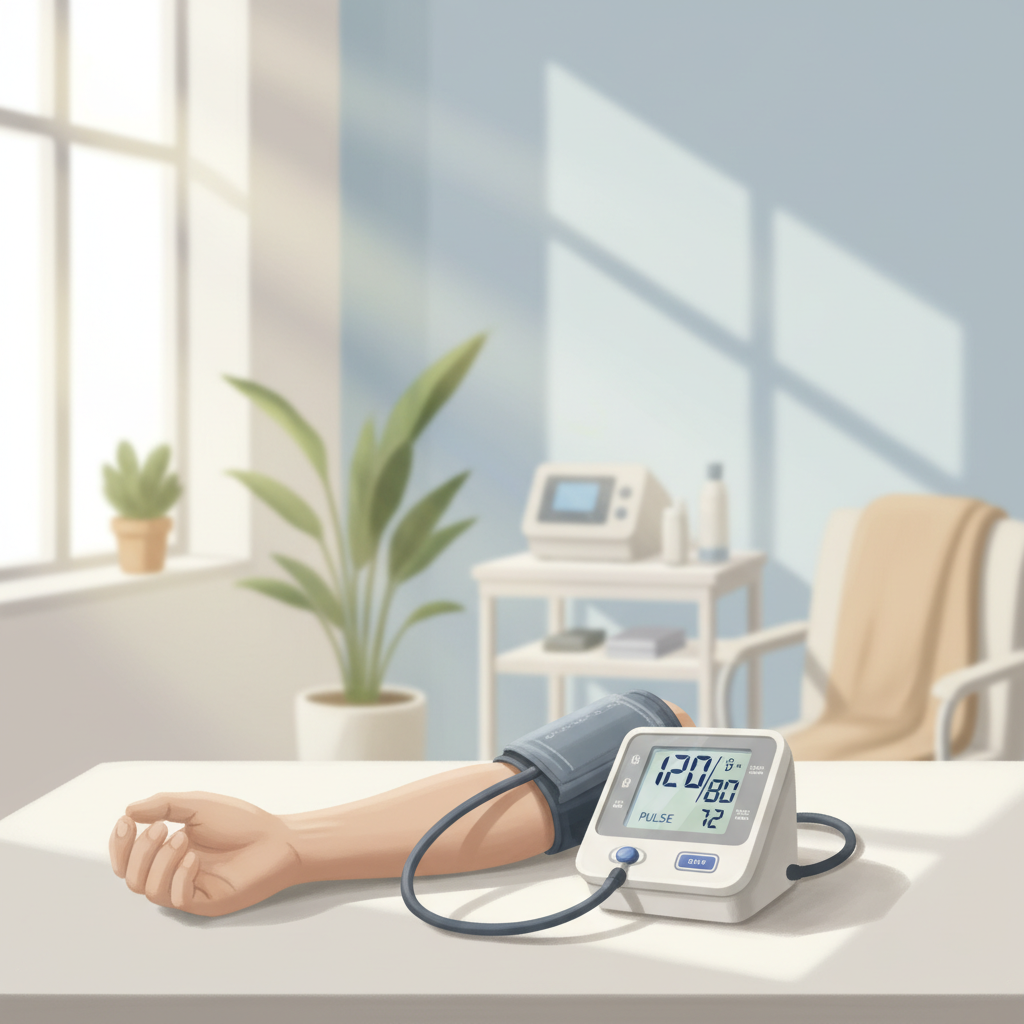
High blood pressure
Hypertension is associated with an increased risk of gout through several interconnected mechanisms. High blood pressure can affect kidney function, potentially reducing the efficiency of uric acid excretion. The relationship between hypertension and gout is bidirectional, with each condition potentially exacerbating the other. Insulin resistance, often associated with hypertension, can also impair uric acid excretion. Additionally, some medications used to treat high blood pressure, such as diuretics, can increase uric acid levels. The link between hypertension and gout may also involve shared risk factors, such as obesity and a diet high in purines and fructose. A large-scale study published in the Journal of Rheumatology found that individuals with hypertension had a significantly higher risk of developing gout compared to those with normal blood pressure [1]. Another study in the Archives of Internal Medicine demonstrated that gout was associated with a higher incidence of hypertension, suggesting a complex interplay between these conditions [2]. Managing blood pressure through lifestyle modifications and appropriate medication may help reduce the risk of gout in hypertensive individuals.
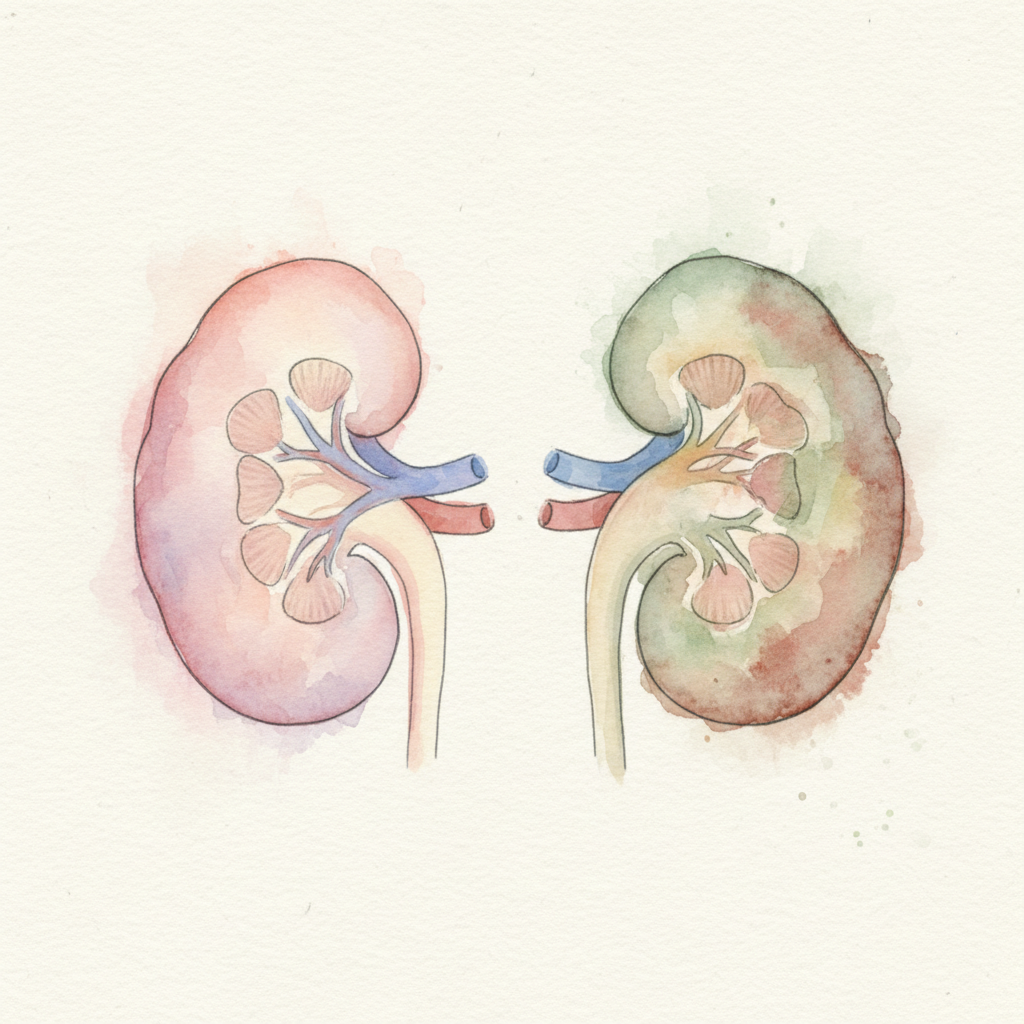
Kidney disease
Kidney problems can significantly affect uric acid excretion and increase gout risk through several mechanisms. The kidneys play a crucial role in regulating uric acid levels by filtering and excreting approximately two-thirds of the uric acid produced in the body. In chronic kidney disease (CKD), the reduced glomerular filtration rate leads to decreased uric acid excretion and subsequent hyperuricemia. Additionally, metabolic changes associated with CKD, such as increased oxidative stress and inflammation, may contribute to gout development. The relationship between kidney disease and gout is bidirectional, with each condition potentially exacerbating the other. A large-scale study published in the Journal of the American Society of Nephrology found that individuals with CKD had a significantly higher risk of developing gout compared to those with normal kidney function [1]. Another study in Arthritis Research & Therapy demonstrated that gout was associated with an increased risk of CKD progression [2]. Management of gout in patients with kidney disease requires careful consideration of medication choices and dosages, as many gout medications are cleared by the kidneys.
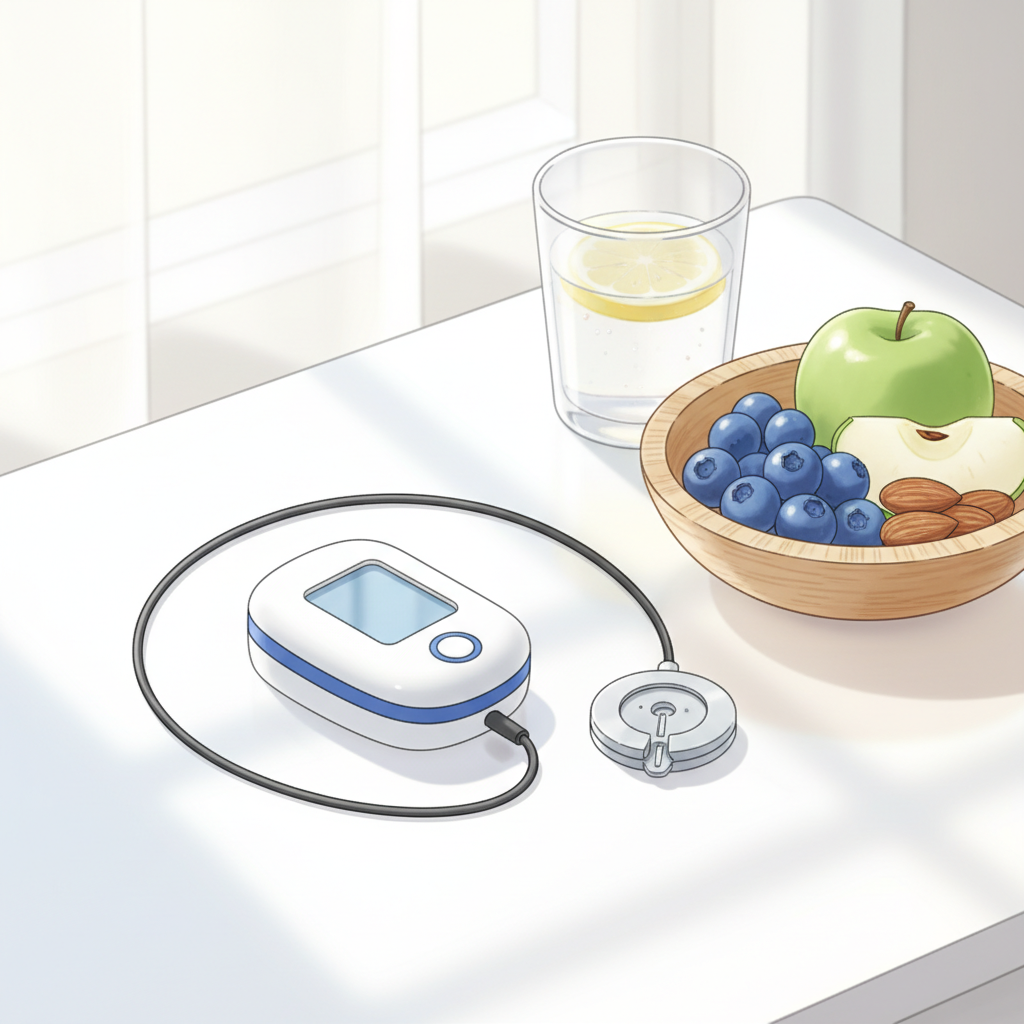
Diabetes
Diabetes can increase the risk of developing gout through various physiological mechanisms. Insulin resistance, a hallmark of type 2 diabetes, can impair the kidneys' ability to excrete uric acid efficiently, leading to hyperuricemia. Additionally, diabetes often coexists with other conditions that increase gout risk, such as obesity and hypertension. The metabolic syndrome, which includes diabetes as a component, is strongly associated with elevated uric acid levels. Chronic kidney disease, a common complication of diabetes, can further reduce uric acid excretion. Conversely, elevated uric acid levels may also contribute to the development of diabetes, suggesting a bidirectional relationship. A meta-analysis published in the Annals of the Rheumatic Diseases found that individuals with diabetes had a significantly higher risk of developing gout compared to those without diabetes [1]. Another study in Diabetes Care demonstrated that higher uric acid levels were associated with an increased risk of type 2 diabetes, particularly in women [2]. Managing diabetes through proper diet, exercise, and medication may help reduce the risk of gout in diabetic individuals.

Organ meats
Organ meats like liver and kidneys are exceptionally high in purines, making them significant triggers for gout attacks in susceptible individuals. These meats contain up to 10 times more purines than muscle meats, leading to a rapid increase in uric acid production when consumed. The high concentration of nucleic acids in organ meats contributes to their elevated purine content. Additionally, organ meats are often rich in iron, which may increase oxidative stress and inflammation, potentially exacerbating gout symptoms. A study published in the New England Journal of Medicine found that the highest quintile of meat intake, particularly organ meats, was associated with a 40% increased risk of gout compared to the lowest quintile [1]. Another study in Current Opinion in Rheumatology highlighted the importance of dietary modifications, including limiting organ meat consumption, in managing gout [2]. While organ meats are nutritious, individuals with gout or at high risk of developing gout are often advised to avoid or strictly limit their intake.

Family history
Genetic factors can significantly increase the risk of developing gout, making family history an important non-modifiable risk factor. Several genes have been identified that affect uric acid metabolism, transport, and excretion. For example, variations in the SLC2A9 and ABCG2 genes can influence uric acid levels and gout risk. Inherited metabolic disorders like Lesch-Nyhan syndrome or phosphoribosylpyrophosphate (PRPP) synthetase superactivity can also lead to excessive uric acid production. The heritability of gout is estimated to be 35-40%, indicating a strong genetic component. Individuals with a family history of gout may have a genetic predisposition to hyperuricemia, making them more susceptible to environmental and lifestyle triggers. A large-scale study published in the Annals of the Rheumatic Diseases found that having a first-degree relative with gout increased an individual's risk of developing the condition by 1.91 times [1]. Another study in Nature Genetics identified multiple genetic loci associated with gout risk, highlighting the complex genetic architecture of the disease [2]. While genetic factors cannot be changed, awareness of family history can help individuals and healthcare providers implement appropriate preventive strategies.

Age
The risk of gout increases with age, especially for men, due to various physiological changes that occur over time. As we age, kidney function naturally declines, potentially reducing the efficiency of uric acid excretion. Hormonal changes, particularly the decrease in estrogen in postmenopausal women, can affect uric acid levels. Older individuals are also more likely to have comorbidities that increase gout risk, such as hypertension and diabetes. Additionally, the cumulative effects of lifestyle factors and long-term exposure to dietary purines may contribute to the age-related increase in gout risk. A large-scale epidemiological study published in Arthritis Research & Therapy found that the prevalence of gout increased significantly with age, with the highest rates observed in individuals over 80 years old [1]. Another study in the Journal of Rheumatology demonstrated that the incidence of gout increases linearly with age until about 70 years old in men and 50 years old in women [2]. While age is a non-modifiable risk factor, awareness of this increased risk can help older individuals and their healthcare providers implement appropriate preventive strategies.

Menopause
Women's risk of gout increases after menopause due to hormonal changes that affect uric acid metabolism and excretion. Estrogen has a uricosuric effect, meaning it promotes the excretion of uric acid through the kidneys. As estrogen levels decline during and after menopause, this protective effect is diminished, leading to higher uric acid levels in the blood. Additionally, postmenopausal women may experience changes in body composition, including increased visceral fat, which is associated with insulin resistance and can further contribute to hyperuricemia. The use of hormone replacement therapy (HRT) has been shown to influence gout risk, although the relationship is complex. A large prospective study published in JAMA Internal Medicine found that postmenopausal women had a significantly higher risk of gout compared to premenopausal women, and that this risk increased with years since menopause [1]. Another study in Arthritis Research & Therapy demonstrated that postmenopausal hormone therapy was associated with a lower risk of gout, supporting the protective role of estrogen [2]. These findings highlight the importance of monitoring uric acid levels and gout risk factors in women transitioning through menopause.

Lack of exercise
A sedentary lifestyle can contribute to weight gain and increased gout risk through several mechanisms. Regular physical activity helps maintain a healthy weight, which is crucial for managing uric acid levels. Exercise can improve insulin sensitivity, potentially enhancing the body's ability to excrete uric acid. Additionally, physical activity promotes better circulation and kidney function, which are important for uric acid clearance. Conversely, a lack of exercise often correlates with other lifestyle factors that increase gout risk, such as poor diet and alcohol consumption. A study published in the American Journal of Medicine found that increased physical activity was associated with a lower risk of gout in men [1]. Another study in Arthritis Research & Therapy demonstrated that even moderate-intensity exercise could reduce the risk of gout attacks in individuals with a history of the condition [2]. It's important to note that while regular exercise is beneficial, intense physical activity can temporarily increase the risk of gout attacks in some individuals, highlighting the need for a balanced approach.
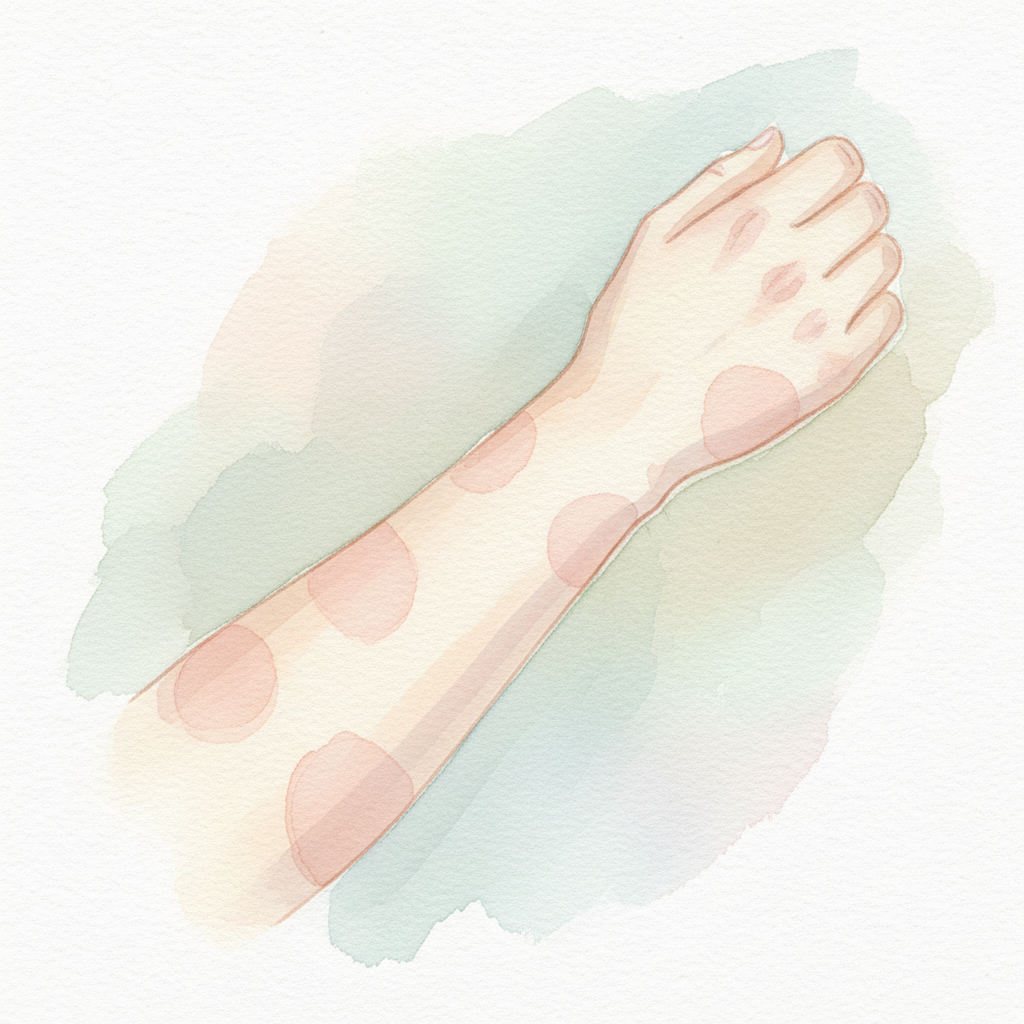
Psoriasis
People with psoriasis have a higher risk of developing gout due to shared inflammatory pathways and metabolic factors. Psoriasis is a chronic inflammatory skin condition that has been associated with various comorbidities, including metabolic syndrome and cardiovascular disease, which are also risk factors for gout. The chronic inflammation in psoriasis may contribute to increased uric acid production and altered renal excretion. Additionally, both psoriasis and gout are associated with elevated levels of pro-inflammatory cytokines, suggesting a common inflammatory mechanism. Some treatments for psoriasis, such as cyclosporine, may also increase the risk of hyperuricemia. A large population-based study published in the Annals of the Rheumatic Diseases found that individuals with psoriasis had a 53% higher risk of developing gout compared to those without psoriasis [1]. Another study in the Journal of the American Academy of Dermatology demonstrated that the risk of gout increased with psoriasis severity [2]. The association between psoriasis and gout highlights the importance of screening for and managing metabolic comorbidities in patients with psoriasis.
Crash dieting
Extreme dieting can lead to rapid weight loss and trigger gout attacks through several mechanisms. During crash diets, the body enters a catabolic state, breaking down tissues and releasing stored purines into the bloodstream. This sudden increase in purine metabolism can lead to elevated uric acid levels. Additionally, crash diets often result in ketosis, a metabolic state that can compete with uric acid for excretion in the kidneys, further increasing blood uric acid concentrations. Dehydration, a common side effect of extreme dieting, can also concentrate uric acid in the blood. Rapid weight loss can cause uric acid to be released from fat cells as they break down, temporarily increasing uric acid levels. A study published in Arthritis & Rheumatology found that rapid weight loss increased the risk of recurrent gout attacks, even in individuals who were not overweight [1]. Another study in the New England Journal of Medicine demonstrated that gradual weight loss through a balanced diet was more effective in reducing uric acid levels and gout risk compared to crash dieting [2]. While weight loss is generally beneficial for gout management, it's important to approach it gradually and under medical supervision.

Yeast extracts
Yeast and yeast extracts are high in purines and can trigger gout attacks in susceptible individuals. Yeast, whether active or inactive, contains significant amounts of purines, which are broken down into uric acid during digestion. Yeast extracts, commonly used as flavor enhancers in many processed foods, are particularly concentrated sources of purines. Products like nutritional yeast, brewer's yeast, and marmite are examples of high-purine yeast products. The mechanism by which yeast extracts increase gout risk is similar to other high-purine foods, with the rapid breakdown of purines leading to elevated uric acid levels. A study published in the Scandinavian Journal of Rheumatology found that dietary yeast intake was associated with an increased risk of gout flares [1]. Another review in the Journal of Advanced Research highlighted yeast and yeast extracts as significant dietary sources of purines that should be limited in gout management [2]. While yeast extracts can be nutritious, providing B vitamins and protein, individuals with gout or at high risk of gout are often advised to limit their consumption.

Sleep apnea
Sleep apnea is associated with an increased risk of gout through several potential mechanisms. This sleep disorder, characterized by repeated interruptions in breathing during sleep, leads to intermittent hypoxia (low oxygen levels) and fragmented sleep. These conditions can increase oxidative stress and systemic inflammation, which may contribute to hyperuricemia and gout development. Sleep apnea is often associated with obesity, insulin resistance, and hypertension, all of which are independent risk factors for gout. Additionally, sleep deprivation and poor sleep quality may affect renal function and uric acid excretion. A large retrospective cohort study published in Arthritis & Rheumatology found that individuals with sleep apnea had a 50% higher risk of developing gout compared to those without sleep apnea [1]. Another study in the American Journal of Respiratory and Critical Care Medicine demonstrated that the severity of sleep apnea was positively correlated with serum uric acid levels [2]. These findings suggest that screening for and treating sleep apnea may be an important aspect of gout prevention and management in susceptible individuals.

Lead exposure
Chronic lead exposure can increase the risk of gout through its effects on kidney function and uric acid metabolism. Lead interferes with the normal functioning of the proximal renal tubules, which are responsible for uric acid excretion. This interference can lead to decreased uric acid clearance and subsequent hyperuricemia. Additionally, lead exposure may increase the production of reactive oxygen species, contributing to oxidative stress and inflammation, which can exacerbate gout symptoms. Occupational exposure to lead, such as in battery manufacturing, construction, and certain industrial processes, is a significant risk factor. Even low levels of chronic lead exposure, previously considered safe, may contribute to gout risk. A study published in the Annals of Internal Medicine found that low-level lead exposure was associated with higher uric acid levels and an increased prevalence of gout [1]. Another research article in Environmental Health Perspectives demonstrated a dose-response relationship between blood lead levels and the risk of gout in the general population [2]. These findings underscore the importance of lead exposure prevention and screening in gout risk assessment, particularly in occupationally exposed individuals.
Certain antibiotics
Some antibiotics can affect uric acid levels and potentially trigger gout attacks through various mechanisms. Certain antibiotics, particularly those in the penicillin family, can compete with uric acid for renal tubular excretion, leading to increased serum uric acid levels. Additionally, some antibiotics may cause rapid cell death of bacteria, releasing purines into the bloodstream and potentially overwhelming the body's ability to excrete uric acid efficiently. The risk is generally higher with intravenous antibiotics and in patients with pre-existing risk factors for gout. It's important to note that while antibiotics can trigger gout in susceptible individuals, this side effect is relatively rare and should not deter necessary antibiotic treatment. A retrospective cohort study published in the Annals of the Rheumatic Diseases found that the use of certain antibiotics, especially clarithromycin, was associated with an increased risk of gout flares [1]. Another study in the Journal of Rheumatology demonstrated that antibiotic-induced gout was more common in patients with a history of gout or hyperuricemia [2]. Healthcare providers should be aware of this potential side effect and monitor patients at risk for gout when prescribing these antibiotics.

Chemotherapy
Some cancer treatments can increase uric acid levels in the body, potentially triggering gout attacks or exacerbating existing gout. Chemotherapy, particularly treatments that cause rapid cell death, can lead to tumor lysis syndrome (TLS), a condition characterized by the release of cellular contents, including purines, into the bloodstream. This sudden influx of purines can overwhelm the body's ability to excrete uric acid, leading to hyperuricemia and potentially gout. Additionally, some chemotherapy drugs may directly affect uric acid metabolism or excretion. Dehydration, a common side effect of chemotherapy, can further concentrate uric acid in the blood. A study published in the Journal of Clinical Oncology found that certain chemotherapy regimens were associated with an increased risk of TLS and subsequent hyperuricemia [1]. Another review in Therapeutic Advances in Medical Oncology highlighted the importance of monitoring and managing uric acid levels in cancer patients undergoing chemotherapy [2]. Preventive strategies, such as hydration and the use of uric acid-lowering medications, are often employed in high-risk patients undergoing chemotherapy.