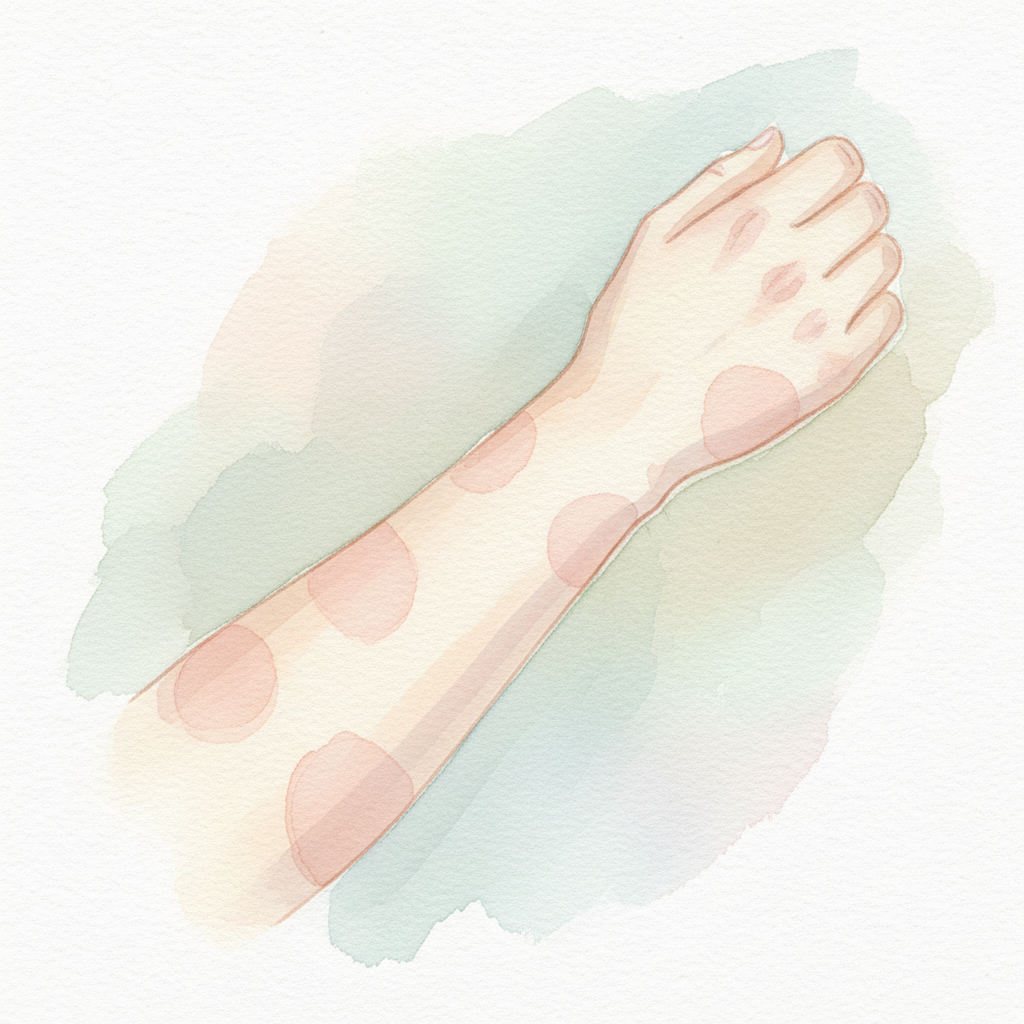
Psoriasis
People with psoriasis have a higher risk of developing gout due to shared inflammatory pathways and metabolic factors. Psoriasis is a chronic inflammatory skin condition that has been associated with various comorbidities, including metabolic syndrome and cardiovascular disease, which are also risk factors for gout. The chronic inflammation in psoriasis may contribute to increased uric acid production and altered renal excretion. Additionally, both psoriasis and gout are associated with elevated levels of pro-inflammatory cytokines, suggesting a common inflammatory mechanism. Some treatments for psoriasis, such as cyclosporine, may also increase the risk of hyperuricemia. A large population-based study published in the Annals of the Rheumatic Diseases found that individuals with psoriasis had a 53% higher risk of developing gout compared to those without psoriasis [1]. Another study in the Journal of the American Academy of Dermatology demonstrated that the risk of gout increased with psoriasis severity [2]. The association between psoriasis and gout highlights the importance of screening for and managing metabolic comorbidities in patients with psoriasis.
This information is for educational purposes only. Always consult a qualified healthcare professional for medical advice.