Gout Treatments
Evidence-based treatments for managing gout effectively
29 results
Allopurinol
Allopurinol is a xanthine oxidase inhibitor that effectively reduces uric acid production in the body. It works by blocking the enzyme responsible for converting purines into uric acid, thereby lowering serum urate levels. Allopurinol is typically used as a long-term treatment for chronic gout and has been shown to significantly reduce the frequency of gout attacks when taken regularly. A study by Becker et al. (2010) demonstrated that allopurinol, when titrated to appropriate doses, can help up to 80% of patients achieve target serum urate levels. However, it's important to note that allopurinol can cause rare but serious side effects, including Stevens-Johnson syndrome, particularly in patients with certain genetic markers (Hershfield et al., 2013). Regular monitoring and gradual dose escalation are recommended to minimize risks and optimize treatment outcomes.

Colchicine
Colchicine is an anti-inflammatory medication primarily used to treat acute gout attacks and prevent gout flares. It works by inhibiting neutrophil chemotaxis and activation, thereby reducing inflammation in affected joints. Colchicine is particularly effective when administered early in a gout attack, typically within the first 12-24 hours of symptom onset. A landmark study by Ahern et al. (1987) demonstrated that low-dose colchicine is as effective as high-dose regimens with fewer side effects. More recently, the AGREE trial (Terkeltaub et al., 2010) showed that a low-dose colchicine regimen (1.8 mg over 1 hour) was as effective as the traditional high-dose regimen in treating acute gout, with significantly fewer adverse events. Despite its effectiveness, colchicine can cause gastrointestinal side effects and should be used cautiously in patients with renal or hepatic impairment.
Febuxostat
Febuxostat is a non-purine selective xanthine oxidase inhibitor used for treating chronic gout in patients who cannot tolerate allopurinol. It works by inhibiting both oxidized and reduced forms of xanthine oxidase, effectively lowering serum uric acid levels. The CONFIRMS trial (Becker et al., 2010) demonstrated that febuxostat 80 mg daily was more effective than allopurinol 300 mg daily in achieving target serum urate levels, particularly in patients with mild to moderate renal impairment. However, a subsequent long-term safety study (White et al., 2018) raised concerns about increased cardiovascular risk with febuxostat compared to allopurinol. As a result, febuxostat is typically reserved for patients who cannot take allopurinol due to intolerance or contraindications. Patients should be informed about the potential cardiovascular risks and benefits before starting treatment.
Probenecid
Probenecid is a uricosuric agent that helps the kidneys remove uric acid from the body by inhibiting renal tubular reabsorption of urate. It is often used as a second-line treatment for chronic gout, particularly in patients who cannot tolerate xanthine oxidase inhibitors or have not achieved target serum urate levels with other treatments. A study by Pui et al. (2013) showed that probenecid can significantly increase uric acid excretion and lower serum urate levels in patients with gout. However, probenecid is less effective in patients with reduced renal function and may increase the risk of kidney stones in some individuals. It's important to maintain adequate hydration when taking probenecid to minimize this risk. Probenecid can also interact with various medications, including antibiotics and NSAIDs, so careful consideration of a patient's complete medication profile is essential.

Pegloticase
Pegloticase is a pegylated uricase enzyme used for treating severe, treatment-refractory gout. It works by converting uric acid to allantoin, which is more soluble and easily excreted by the kidneys. Pegloticase is typically reserved for patients with chronic gout who have failed to respond to or cannot tolerate conventional urate-lowering therapies. The phase III GOUT 1 and GOUT 2 trials (Sundy et al., 2011) demonstrated that biweekly infusions of pegloticase significantly reduced serum urate levels and improved symptoms in patients with treatment-refractory gout. However, pegloticase can cause severe allergic reactions and loss of efficacy due to the development of anti-drug antibodies. Regular monitoring of serum urate levels before each infusion is crucial to identify patients who may be developing resistance. Despite its potential side effects, pegloticase remains an important option for patients with severe, refractory gout who have limited treatment alternatives.
Naproxen
Naproxen is a nonsteroidal anti-inflammatory drug (NSAID) commonly used to manage pain and inflammation associated with acute gout attacks. It works by inhibiting cyclooxygenase enzymes, reducing the production of prostaglandins responsible for pain and inflammation. A randomized controlled trial by Janssens et al. (2008) found that naproxen was as effective as prednisolone in treating acute gout flares, with similar pain reduction and recovery times. However, naproxen and other NSAIDs carry risks of gastrointestinal and cardiovascular side effects, particularly with long-term use. A meta-analysis by Kearney et al. (2006) highlighted the increased risk of myocardial infarction associated with high-dose NSAID use. Therefore, naproxen should be used at the lowest effective dose for the shortest possible duration, especially in patients with cardiovascular risk factors or a history of gastrointestinal ulcers.

Indomethacin
Indomethacin is a potent NSAID that has been widely used for treating acute gout attacks. It rapidly reduces pain and inflammation by inhibiting both cyclooxygenase-1 and cyclooxygenase-2 enzymes. A classic study by Smyth and Percy (1973) demonstrated the superior efficacy of indomethacin compared to phenylbutazone in managing acute gout. More recently, a randomized trial by Schumacher et al. (2012) showed that indomethacin was as effective as the selective COX-2 inhibitor etoricoxib for acute gout treatment. However, indomethacin is associated with a higher risk of gastrointestinal and central nervous system side effects compared to other NSAIDs. A systematic review by Zhang et al. (2014) found that indomethacin had a less favorable safety profile than other NSAIDs in gout treatment. Due to these concerns, indomethacin is often reserved for severe acute gout attacks or when other NSAIDs have proven ineffective.

Prednisolone
Prednisolone is a corticosteroid used for treating severe gout attacks, particularly in patients who cannot tolerate NSAIDs or colchicine. It works by suppressing the immune response and reducing inflammation through multiple mechanisms. A landmark study by Man et al. (2007) in the Lancet demonstrated that oral prednisolone was as effective as naproxen for acute gout treatment, with a similar safety profile over a short course. Another randomized trial by Rainer et al. (2016) showed that prednisolone was non-inferior to indomethacin for pain relief in acute gout, with fewer adverse effects. However, long-term or frequent use of corticosteroids can lead to significant side effects, including osteoporosis, diabetes, and increased susceptibility to infections. A retrospective cohort study by Janssens et al. (2017) found that repeated courses of oral glucocorticoids were associated with an increased risk of adverse events in gout patients. Therefore, while effective, prednisolone should be used judiciously, typically reserved for severe attacks or when other treatments are contraindicated.

Lesinurad
Lesinurad is a selective uric acid reabsorption inhibitor that works by blocking URAT1, a transporter responsible for uric acid reabsorption in the kidneys. It is approved for use in combination with a xanthine oxidase inhibitor for patients who have not achieved target serum urate levels with a xanthine oxidase inhibitor alone. The CLEAR 1 and CLEAR 2 trials (Saag et al., 2017) demonstrated that lesinurad in combination with allopurinol significantly increased the proportion of patients achieving target serum urate levels compared to allopurinol alone. However, lesinurad has been associated with an increased risk of renal adverse events, particularly when used without a xanthine oxidase inhibitor. A pooled safety analysis by Terkeltaub et al. (2019) confirmed these findings but showed that the risk was mitigated when lesinurad was used as indicated in combination with a xanthine oxidase inhibitor. Due to these safety concerns, lesinurad is typically reserved for patients who have not achieved adequate response with other urate-lowering therapies.

Canakinumab
Canakinumab is a human monoclonal antibody that selectively neutralizes interleukin-1β (IL-1β), a key mediator of inflammation in gout. It is used for the treatment of difficult-to-treat gout in patients with frequent flares and contraindications to standard therapies. The β-RELIEVED and β-RELIEVED-II trials (Schlesinger et al., 2012) demonstrated that canakinumab provided rapid and sustained pain relief in acute gout attacks and significantly reduced the risk of new flares compared to triamcinolone acetonide. A subsequent study by Schlesinger et al. (2014) showed that canakinumab was effective in preventing flares during initiation of allopurinol therapy. However, canakinumab is associated with an increased risk of serious infections due to its immunosuppressive effects. A long-term safety study by Kivitz et al. (2018) confirmed this increased infection risk but found no new safety signals with extended use. Given its high cost and potential for serious adverse events, canakinumab is typically reserved for patients with severe, refractory gout who have failed or cannot tolerate other treatment options.

Low-Purine Diet
A low-purine diet is a key lifestyle intervention for managing gout by reducing the intake of foods high in purines, which are precursors to uric acid. This dietary approach aims to lower serum urate levels and decrease the risk of gout flares. A prospective study by Choi et al. (2004) in the New England Journal of Medicine found that higher meat and seafood consumption was associated with an increased risk of gout, while dairy products were protective. Another study by Zgaga et al. (2012) demonstrated that a diet rich in vitamin C was associated with lower serum urate levels. The American College of Rheumatology guidelines (Khanna et al., 2012) recommend limiting high-purine foods such as organ meats, certain seafoods, and high-fructose corn syrup. However, it's important to note that while a low-purine diet can be beneficial, it should be part of a comprehensive gout management strategy that may include medication and other lifestyle changes.

Weight Management
Maintaining a healthy weight is crucial in gout management, as obesity is a significant risk factor for developing gout and experiencing more frequent flares. A large prospective study by Choi et al. (2005) found that higher BMI was strongly associated with an increased risk of gout. Weight loss has been shown to reduce serum urate levels and the risk of gout attacks. A randomized controlled trial by Dessein et al. (2000) demonstrated that a combination of calorie and purine restriction led to significant weight loss and a reduction in serum urate levels and gout attacks. More recently, a systematic review and meta-analysis by Nielsen et al. (2018) confirmed that weight loss interventions in overweight or obese gout patients resulted in clinically relevant reductions in serum urate levels. The ACR guidelines (Khanna et al., 2012) strongly recommend weight loss for overweight or obese gout patients. However, it's important to approach weight loss gradually and under medical supervision, as rapid weight loss can paradoxically trigger gout attacks in the short term.

Hydration
Adequate hydration plays a crucial role in gout management by helping to flush out uric acid from the body and reducing the risk of urate crystal formation. A prospective study by Choi et al. (2010) found that higher water intake was associated with a lower risk of recurrent gout attacks. The study showed that consuming 5-8 eight-ounce glasses of water daily was associated with a 40% lower recurrence risk compared to those consuming only 1 glass or less. Another study by Neogi et al. (2014) demonstrated that adequate fluid intake could reduce the risk of recurrent gout flares, particularly when combined with other lifestyle modifications. The mechanism behind this effect was further elucidated in a review by Fam (2002), which explained how increased urine output helps to excrete uric acid and prevent urate crystal formation. While the optimal amount of fluid intake may vary depending on individual factors, the ACR guidelines (Khanna et al., 2012) recommend that gout patients stay well-hydrated, aiming for pale or clear urine.

Exercise Regularly
Regular exercise is an important component of gout management, contributing to weight control, cardiovascular health, and overall well-being. A large prospective study by Williams (2008) found that running and other vigorous exercises were associated with a lower risk of gout. The study showed that men who ran more than 8 km per day had a 50% lower risk of gout compared to those who ran less than 3.5 km. A review by Keenan et al. (2013) highlighted the potential benefits of exercise in reducing inflammation and improving insulin sensitivity, both of which can impact uric acid levels. However, it's important to note that intense exercise can temporarily increase serum urate levels and potentially trigger a gout attack in some individuals. A study by Perez-Ruiz et al. (2014) found that while moderate exercise was beneficial, high-intensity exercise could pose risks in some gout patients. The ACR guidelines (Khanna et al., 2012) recommend regular exercise as part of a comprehensive gout management strategy, emphasizing the importance of starting slowly and gradually increasing intensity to avoid potential flares.

Limit Alcohol Intake
Limiting alcohol intake is a crucial lifestyle modification for gout management, as alcohol consumption has been strongly linked to increased risk of gout and gout flares. A prospective study by Choi et al. (2004) in The Lancet found that beer and liquor consumption were associated with an increased risk of gout, with beer posing a higher risk than liquor, while moderate wine consumption did not significantly increase risk. The mechanism behind this association was explored in a review by Ragab et al. (2017), which explained how alcohol can increase uric acid production and decrease uric acid excretion. A more recent study by Neogi et al. (2014) demonstrated that alcohol intake was associated with recurrent gout attacks, with the effect being dose-dependent. The study found that consuming more than 1-2 drinks in the 24 hours preceding a gout attack was associated with 36% higher odds of recurrent gout attacks. The ACR guidelines (Khanna et al., 2012) strongly recommend limiting or avoiding alcohol intake, particularly beer and spirits, for patients with gout. However, it's important to note that the impact of alcohol can vary among individuals, and patients should work with their healthcare providers to determine appropriate limits.

Avoid Sugary Drinks
Limiting the intake of sugary beverages, particularly those containing high-fructose corn syrup, is an important dietary intervention for gout management. A prospective study by Choi and Curhan (2008) in the British Medical Journal found that consumption of sugar-sweetened soft drinks was strongly associated with an increased risk of gout in men. The study showed that men consuming two or more servings of sugar-sweetened soft drinks per day had an 85% higher risk of gout compared to those consuming less than one serving per month. The mechanism behind this association was further explored in a review by Rivard et al. (2013), which explained how fructose metabolism can lead to increased uric acid production. Another study by Batt et al. (2014) in the Annals of the Rheumatic Diseases demonstrated that sugar-sweetened beverage consumption was associated with a higher risk of gout flares. The American College of Rheumatology guidelines (Khanna et al., 2012) recommend limiting or avoiding intake of high-fructose corn syrup-sweetened sodas and other beverages. It's important to note that artificially sweetened diet sodas have not been associated with an increased risk of gout and may be a better alternative for those looking to reduce their sugar intake.

Increase Vitamin C
Increasing vitamin C intake through diet or supplementation has been shown to have potential benefits in gout management. A prospective study by Choi et al. (2009) in the Archives of Internal Medicine found that higher vitamin C intake was associated with a lower risk of gout. The study demonstrated that men with vitamin C intake of 1,500 mg or more per day had a 45% lower risk of gout compared to those with intake less than 250 mg per day. A meta-analysis by Juraschek et al. (2011) in Arthritis Care & Research showed that vitamin C supplementation was associated with a significant reduction in serum uric acid levels. The mechanism of action was explored in a review by Mikirova et al. (2013), which explained how vitamin C can increase uric acid excretion and potentially reduce inflammation. However, it's important to note that while vitamin C may have beneficial effects, its impact may be modest compared to other interventions. A randomized controlled trial by Stamp et al. (2013) found that vitamin C supplementation had a small effect on serum urate in patients with gout. The ACR guidelines (Khanna et al., 2012) conditionally recommend vitamin C supplementation for gout patients, suggesting a typical dose of 500-1,000 mg daily.

Manage Stress
Stress management is an important but often overlooked aspect of gout management. While the direct relationship between stress and gout is complex, stress can indirectly affect gout through various mechanisms. A review by Li et al. (2018) in Frontiers in Psychology discussed how chronic stress can lead to elevated cortisol levels, which may influence inflammation and potentially exacerbate gout symptoms. Another study by Abdulbari et al. (2015) found an association between stress levels and the frequency of gout attacks. The impact of stress on adherence to gout treatment was explored in a qualitative study by Liddle et al. (2015), which highlighted how stress could negatively affect patients' ability to manage their condition effectively. While there are limited large-scale studies specifically examining stress management interventions in gout, general stress reduction techniques have shown benefits in managing chronic diseases. A systematic review by Goyal et al. (2014) in JAMA Internal Medicine found that mindfulness meditation programs showed moderate evidence of improving anxiety and depression. The ACR guidelines (Khanna et al., 2012) do not specifically address stress management, but many rheumatologists recommend it as part of a comprehensive approach to gout management.
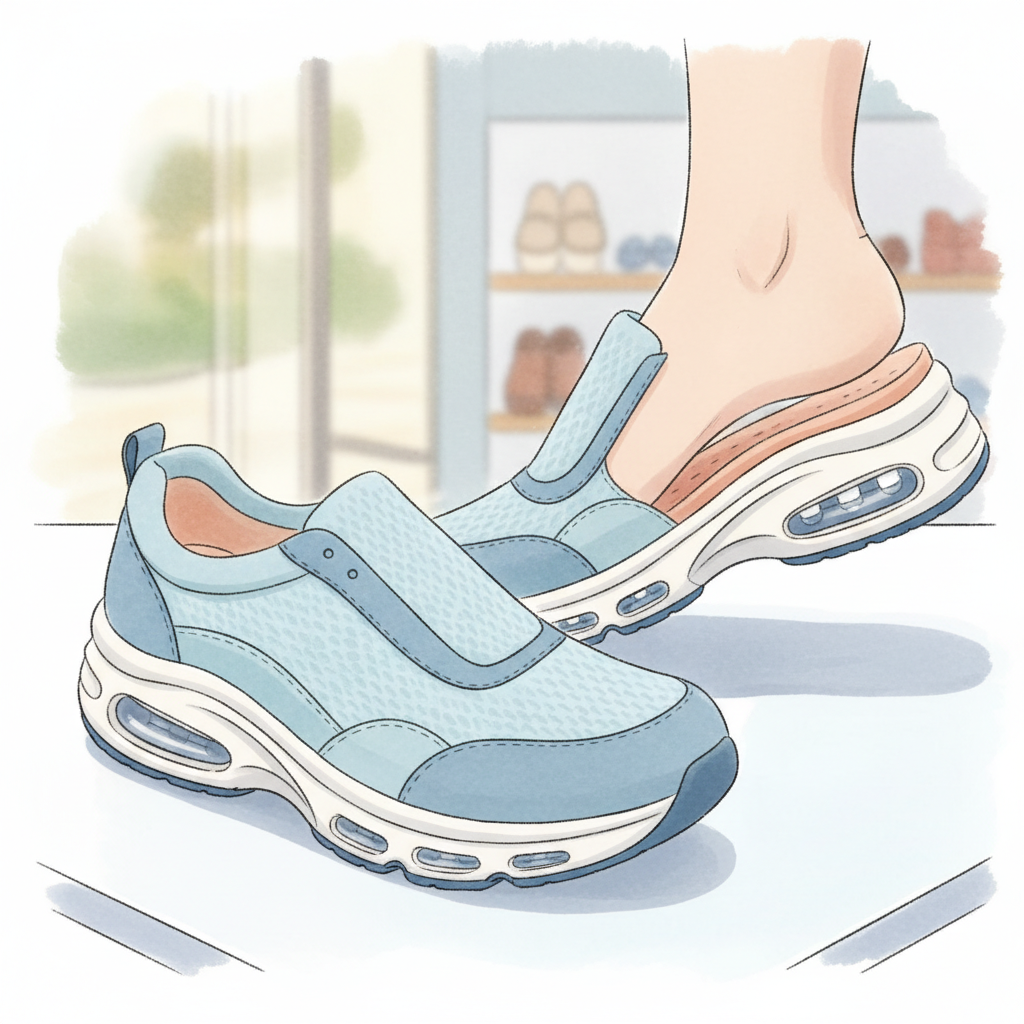
Wear Proper Footwear
Wearing appropriate footwear is an important consideration for gout patients, particularly those with frequent attacks affecting the feet. A study by Rome et al. (2011) in Arthritis Care & Research found that gout patients often experienced foot-related pain, impairment, and disability, which could be exacerbated by ill-fitting shoes. Another study by Stewart et al. (2014) in the Journal of Foot and Ankle Research demonstrated that gout patients had specific footwear preferences and requirements, often opting for comfort over style. The importance of proper footwear in managing foot-related symptoms was highlighted in a review by Roddy et al. (2013), which emphasized the need for shoes that accommodate tophi and provide adequate cushioning. While there are limited studies specifically examining the impact of footwear on gout outcomes, research in related conditions like osteoarthritis has shown benefits. A randomized controlled trial by Hinman et al. (2016) found that appropriate footwear could reduce pain and improve function in people with knee osteoarthritis. The ACR guidelines (Khanna et al., 2012) do not provide specific recommendations on footwear, but many rheumatologists advise gout patients to wear comfortable, supportive shoes that do not put pressure on affected joints.

Monitor Uric Acid Levels
Regular monitoring of serum uric acid levels is a crucial component of effective gout management. A landmark study by Perez-Ruiz et al. (2002) in Arthritis & Rheumatism demonstrated that maintaining serum urate levels below 6 mg/dL was associated with a reduction in tophi size and frequency of gout attacks. The importance of treat-to-target approaches in gout management was further emphasized in a systematic review by Kiltz et al. (2017), which found that achieving and maintaining target serum urate levels was associated with improved clinical outcomes. The optimal frequency of monitoring was explored in a study by Pascual et al. (2019), which suggested that once target levels are achieved, monitoring every 6 months may be sufficient for most patients. However, more frequent monitoring may be necessary during the initiation or adjustment of urate-lowering therapy. The ACR guidelines (Khanna et al., 2012) strongly recommend regular monitoring of serum urate levels, with a target of <6 mg/dL for most patients. It's important to note that while serum urate is a crucial biomarker, it should be interpreted in the context of the patient's clinical symptoms and overall health status. Patient education about the importance of monitoring and understanding their uric acid levels is also key, as highlighted in a qualitative study by Harrold et al. (2010).

Acupuncture
Acupuncture is a traditional Chinese medicine technique that has been explored as a complementary therapy for gout management. While evidence for its effectiveness in gout is limited, some studies have shown potential benefits. A systematic review and meta-analysis by Lee et al. (2013) in Rheumatology International found that acupuncture, when used as an adjunct to conventional therapy, showed promising results in reducing pain and uric acid levels in gout patients. However, the authors noted that the quality of evidence was low, and more rigorous studies are needed. Another study by Zhang et al. (2014) in the Journal of Traditional Chinese Medicine demonstrated that acupuncture combined with infrared irradiation could effectively relieve pain and reduce inflammation in acute gout patients. The potential mechanisms of acupuncture in pain management were explored in a review by Zhang et al. (2019), which suggested that acupuncture might modulate inflammatory mediators and pain pathways. It's important to note that while some patients report benefits from acupuncture, its effectiveness can vary widely among individuals. The American College of Rheumatology guidelines (Khanna et al., 2012) do not specifically recommend acupuncture for gout management due to insufficient evidence. Patients considering acupuncture should discuss it with their healthcare provider and ensure they receive treatment from a qualified practitioner.

Cherries and Cherry Extract
Cherries and cherry extract have gained attention as a potential natural remedy for gout due to their anti-inflammatory and antioxidant properties. A prospective study by Zhang et al. (2012) in Arthritis & Rheumatism found that cherry intake was associated with a 35% lower risk of gout attacks. The study showed that consuming cherries or cherry extract over a two-day period was associated with a lower risk of gout attacks compared to no intake. Another study by Collins et al. (2019) in the Journal of Functional Foods demonstrated that tart cherry juice consumption was associated with a reduction in serum urate levels and markers of inflammation in adults with gout. The potential mechanisms were explored in a review by Kelley et al. (2018), which highlighted the role of anthocyanins and other bioactive compounds in cherries that may contribute to their anti-inflammatory effects. While these results are promising, it's important to note that the evidence is still limited, and more large-scale, long-term studies are needed. The American College of Rheumatology guidelines (Khanna et al., 2012) do not make specific recommendations regarding cherry consumption for gout management. Patients should be aware that while cherry consumption is generally safe, it should not replace conventional gout treatments, and they should consult their healthcare provider before making significant dietary changes.
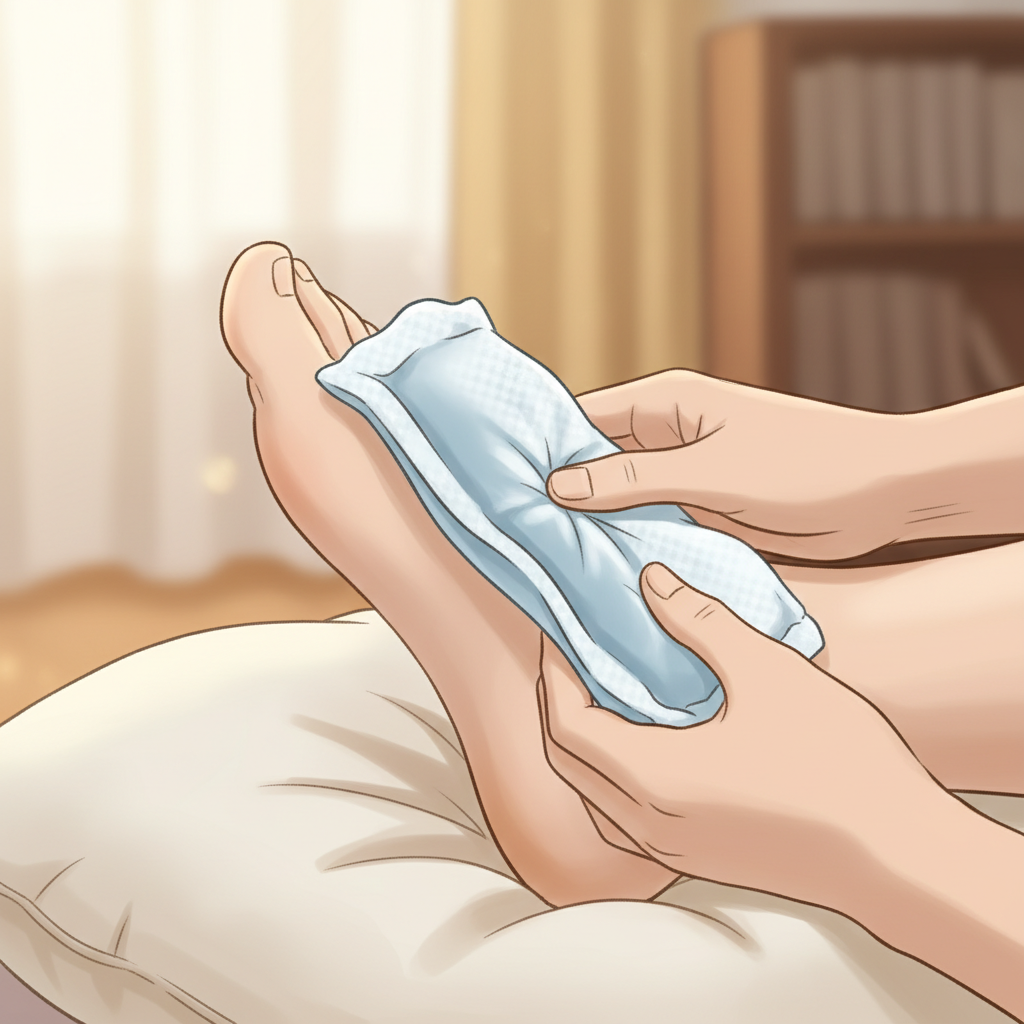
Topical Cold Therapy
Applying cold therapy to affected joints is a common self-management technique for acute gout attacks, aimed at reducing pain and inflammation. While there is limited research specifically on cold therapy for gout, its use is supported by general principles of acute inflammation management. A review by Schlesinger et al. (2019) in Current Rheumatology Reports discussed the potential benefits of cryotherapy in managing acute gout flares, noting its ability to reduce local blood flow and potentially slow the inflammatory process. The physiological effects of cold therapy were explored in a study by Algafly and George (2007), which demonstrated that local cooling could reduce nerve conduction velocity and potentially alleviate pain. In the context of other inflammatory joint conditions, a Cochrane review by Adie et al. (2012) found that cryotherapy following total knee replacement provided some improvements in blood loss and pain. It's important to note that while many patients find cold therapy helpful, individual responses can vary, and care should be taken to avoid skin damage from excessive cold application. The American College of Rheumatology guidelines (Khanna et al., 2012) do not provide specific recommendations on cold therapy for gout, but many rheumatologists suggest it as a safe, non-pharmacological option for symptom relief during acute attacks.

Epsom Salt Soaks
Epsom salt (magnesium sulfate) soaks are a popular home remedy for various musculoskeletal conditions, including gout. While scientific evidence specifically supporting its use in gout is limited, some patients report relief from pain and inflammation. The proposed mechanism involves the absorption of magnesium through the skin, which may have anti-inflammatory effects. A study by Chandrasekaran et al. (2016) in Biological Trace Element Research demonstrated that magnesium sulfate could be absorbed through human skin, potentially supporting the theoretical basis for Epsom salt soaks. However, the clinical significance of this absorption in gout management remains unclear. A review by Katzberg et al. (2016) in Medicine Science explored the use of various topical agents in gout, including magnesium sulfate, noting potential benefits but emphasizing the need for more robust clinical trials. It's important to note that while Epsom salt soaks are generally safe, they should not replace conventional gout treatments. Patients with skin conditions or open wounds should consult their healthcare provider before using Epsom salt soaks. The American College of Rheumatology guidelines (Khanna et al., 2012) do not provide recommendations on Epsom salt soaks due to insufficient evidence. While some patients may find them soothing, more research is needed to establish their effectiveness in gout management.

Herbal Supplements
Various herbal supplements have been explored for potential benefits in gout management, though evidence is often limited. One example is Terminalia bellerica, which was studied by Rani et al. (2018) in the Journal of Ethnopharmacology. The study found that this herb exhibited xanthine oxidase inhibitory activity in vitro, suggesting potential uric acid-lowering effects. Another herb, Smilax china, was investigated by Chen et al. (2011) in the Journal of Ethnopharmacology, demonstrating anti-inflammatory and analgesic effects in animal models of gout. However, it's crucial to note that most herbal supplements lack large-scale human clinical trials for gout. A review by Ling and Bochu (2014) in Pharmazie highlighted several plants with potential anti-gout activities but emphasized the need for more rigorous research. The use of herbal supplements can also carry risks, including interactions with conventional medications and potential side effects. The American College of Rheumatology guidelines (Khanna et al., 2012) do not recommend herbal supplements for gout management due to insufficient evidence. Patients considering herbal supplements should discuss their use with a healthcare provider to ensure safety and avoid potential interactions with other treatments.

Dietary Fiber
Increasing dietary fiber intake has been suggested as a potential complementary approach to gout management, although specific research on its effects in gout is limited. A study by Ren et al. (2012) in the International Journal of Food Sciences and Nutrition found that dietary fiber intake was inversely associated with serum uric acid levels in healthy adults. The mechanism may involve fiber's ability to bind to uric acid in the digestive tract, potentially reducing its absorption. Another study by Koguchi et al. (2019) in Nutrients demonstrated that a high-fiber diet could reduce serum uric acid levels in rats with hyperuricemia. However, it's important to note that these findings have not been extensively studied in gout patients. A review by Vega-Gálvez et al. (2021) in Foods discussed the potential of dietary fiber in managing metabolic disorders, including hyperuricemia, but emphasized the need for more clinical studies in gout. While increasing fiber intake is generally considered beneficial for overall health, its specific role in gout management remains unclear. The American College of Rheumatology guidelines (Khanna et al., 2012) do not provide specific recommendations on fiber intake for gout. Patients should consult with their healthcare provider or a registered dietitian before making significant changes to their fiber intake.

Meditation and Mindfulness
While not directly targeting gout symptoms, meditation and mindfulness practices have been explored for their potential benefits in managing chronic pain and stress associated with various rheumatic conditions. A systematic review by Hilton et al. (2017) in the Annals of Behavioral Medicine found that mindfulness meditation had small effects on pain, depression, and quality of life in patients with chronic pain conditions. Although this review didn't specifically focus on gout, its findings may be relevant to gout patients experiencing chronic pain. Another study by Davis et al. (2015) in Psychosomatic Medicine demonstrated that mindfulness-based stress reduction could lead to improvements in pain severity and functional limitations in older adults with chronic low back pain. The potential mechanisms of mindfulness in pain management were explored in a review by Zeidan and Vago (2016), which suggested that mindfulness might modulate pain through multiple brain mechanisms. While there is a lack of gout-specific studies on meditation and mindfulness, these practices are generally considered safe and may offer broader benefits for stress reduction and overall well-being. The American College of Rheumatology guidelines (Khanna et al., 2012) do not provide recommendations on meditation for gout due to lack of evidence. Patients interested in exploring these practices should discuss them with their healthcare provider and consider them as complementary to, not a replacement for, conventional gout treatments.

Omega-3 Fatty Acids
Omega-3 fatty acids, found in fish oil and certain plant sources, have been studied for their potential anti-inflammatory effects in various conditions, including some rheumatic diseases. While research specifically on omega-3 supplementation in gout is limited, some studies suggest potential benefits. A study by Yan et al. (2013) in the Journal of Nutrition and Biochemistry found that omega-3 fatty acids could reduce uric acid levels and mitigate hyperuricemia-induced metabolic syndrome in animal models. Another study by Lombardi et al. (2019) in the Journal of Cellular Physiology demonstrated that omega-3 fatty acids could modulate inflammatory responses in human cells exposed to monosodium urate crystals, which are involved in gout pathogenesis. However, it's important to note that these findings have not been extensively validated in clinical trials with gout patients. A review by Calder (2015) in Nutrients discussed the broad anti-inflammatory effects of omega-3 fatty acids but highlighted the need for more research in specific rheumatic conditions. While omega-3 supplementation is generally considered safe, high doses can increase bleeding risk and interact with certain medications. The American College of Rheumatology guidelines (Khanna et al., 2012) do not provide recommendations on omega-3 supplementation for gout. Patients considering omega-3 supplements should discuss their use with a healthcare provider, especially if they are taking blood thinners or have bleeding disorders.

Tai Chi
Tai Chi, a traditional Chinese mind-body practice, has been studied for its potential benefits in various rheumatic conditions, although specific research on its effects in gout is limited. A systematic review by Wang et al. (2004) in Rheumatology found that Tai Chi had positive effects on pain, physical function, and quality of life in patients with various musculoskeletal conditions. While this review didn't specifically include gout patients, its findings may be relevant to those experiencing chronic joint pain. Another study by Lee et al. (2009) in Arthritis & Rheumatism demonstrated that Tai Chi could improve pain, physical function, and depression in patients with osteoarthritis. The potential mechanisms of Tai Chi in improving musculoskeletal health were explored in a review by Chen et al. (2016), which suggested that Tai Chi might enhance muscle strength, balance, and flexibility while reducing inflammation. Although there is a lack of gout-specific studies on Tai Chi, it is generally considered a safe, low-impact exercise that may offer broader benefits for joint health and overall well-being. The American College of Rheumatology guidelines (Khanna et al., 2012) do not provide recommendations on Tai Chi for gout due to lack of evidence. Patients interested in practicing Tai Chi should consult with their healthcare provider, especially if they have severe joint damage or other health conditions, and consider it as a complementary approach to conventional gout treatments.